Sofey Saidi, Ph.D. (originally published on realclearword.com)
Twelve days after protests first erupted on December 28, 2025, Iran’s streets remain alive with defiance. Demonstrations have now spread to more than 111 cities across all 31 provinces, uniting workers, students, and families exhausted by inflation, repression, and decades of broken promises.
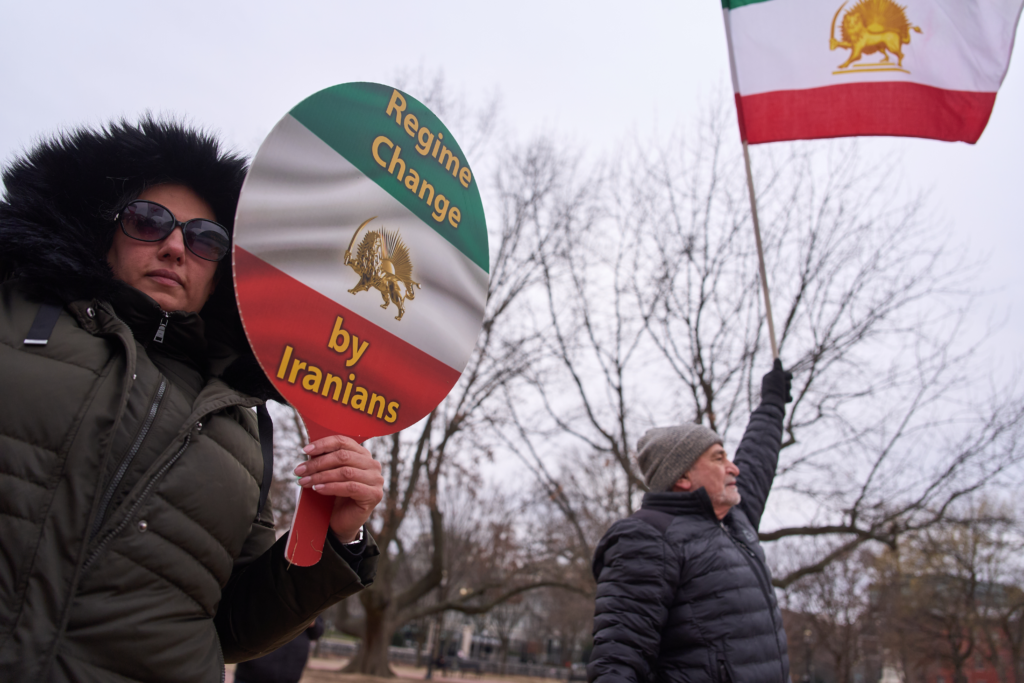
This is not a foreign conspiracy. It is a home-grown revolt by a society that has been denied freedom for more than four decades. Iranians are not waiting for outsiders to deliver democracy. They are risking their lives to claim it themselves.
As security forces fire live rounds and arrest teenagers, one truth should guide American and international policy: change in Iran must be made by Iranians themselves, but the world must stop enabling the theocrats who kill them.
A Regime Losing Its Legitimacy
Reports from inside Iran show at least twenty people killed, including children, with hundreds detained. In Tehran, Mashhad, and Kermanshah, witnesses describe indiscriminate gunfire by Revolutionary Guard units (The Guardian, January 5). This level of brutality reveals a government that no longer governs; it simply coerces. The Islamic Republic’s leaders have lost both moral and political legitimacy.
For decades, some in the West argued that engagement with Iran’s rulers could moderate them. That illusion is gone. The world’s task is not to reform this regime but to withdraw its lifeline: diplomatic, financial, and rhetorical, while standing with those demanding freedom.
The Venezuela Lesson
Iran’s leaders have long looked to Venezuela as a model of “resistance economics” under sanctions. But Caracas’s collapse offers a warning. Nicolás Maduro’s regime survived for years on oil patronage and propaganda until the social fabric tore apart. When outside forces finally toppled him last year, the aftermath was chaotic.
The lesson for Iran is clear. Foreign-driven regime change breeds instability, not democracy. Doing nothing, however, or pretending this theocracy represents stability, is worse. The world can support Iranian self-determination without repeating Venezuela’s mistakes by strengthening internal democratic forces rather than substituting for them.
Supporting the Organized Resistance
These protests are not “leaderless.” Inside Iran, an organized resistance network is emerging. Unions, women’s groups, student councils, and local committees coordinate strikes and demonstrations despite internet shutdowns.
Supporting them does not mean arming them. It means providing secure communications tools so they can organize safely, offering humanitarian, legal, and medical aid to detainees and families of victims, and recognizing the right of self-defense for citizens facing lethal repression. When a government kills peaceful demonstrators, it forfeits any monopoly on legitimate force. The moral burden shifts, and the world should acknowledge that reality openly.
Why Trump’s Message Resonates
President Trump’s warning that “those killing their own citizens will face consequences” sent a powerful signal, not to Tehran’s rulers but to the Iranian people (Reuters, January 2). It told them their struggle is seen and that America’s moral compass still points toward freedom.
That kind of clarity matters. In contrast, the European Union’s cautious calls for “restraint on both sides” only embolden the regime. Iran’s rulers thrive on the perception of international indifference. Strong words backed by targeted action, including sanctions on commanders, diplomatic isolation, and human-rights prosecutions, raise the cost of repression.
Policy Without Illusion
The international community should adopt a support-without-substitution strategy:
- Sanction perpetrators, not civilians. Target those ordering the crackdowns, not ordinary Iranians.
- Keep humanitarian and information channels open. Starving citizens or silencing communication aids the regime.
- Elevate Iranian voices globally. Let journalists, activists, and families of victims speak directly in international forums.
- Reject normalization. No more summits or deals that treat Tehran’s rulers as legitimate while they shoot their people.
This is not interventionism. It is moral consistency.
The Path Ahead
The protests that began in late December have become the most geographically widespread unrest since 1979. They have already exposed a crucial truth: Iran’s theocracy can no longer claim to represent its people. Its power rests on violence, not consent.
The world must stop confusing control with stability. Stability built on fear is an illusion, and every bullet fired into a crowd deepens the regime’s fragility.
As Venezuela showed, foreign powers cannot manufacture legitimacy. But they can help those fighting for it by denying tyrants the tools of survival. The Iranian people have made their choice to confront their rulers and claim their future. America and its allies should make theirs: stand with Iran’s people, not the men who shoot them.
Dr. Sofey Saidi is a scholar-practitioner in international relations, global governance, and conflict resolution. She earned her Ph.D. in International Relations from Geneva School of Diplomacy and International Relations, Switzerland.